
Walking is one of the simplest and most effective forms of exercise. It improves cardiovascular health, boosts mood, supports weight management, and can be done almost anywhere. But to truly enjoy walking—and avoid discomfort or injury—having the right footwear is essential. Walking shoes for women are specifically designed to provide comfort, stability, and support tailored to the female foot, making them a smart investment for daily movement, fitness routines, and travel.
Why Walking Shoes Matter
Unlike casual sneakers or fashion footwear, walking shoes are engineered to support the natural motion of the foot during walking. Each step involves heel strike, midfoot support, and toe-off. A well-designed walking shoe helps absorb impact, maintain proper alignment, and reduce stress on joints such as the ankles, knees, hips, and lower back.
Women’s feet often differ from men’s in width, arch shape, and heel-to-toe proportions. Walking shoes made specifically for women accommodate these differences, offering a more precise fit and enhanced comfort over long periods of use.
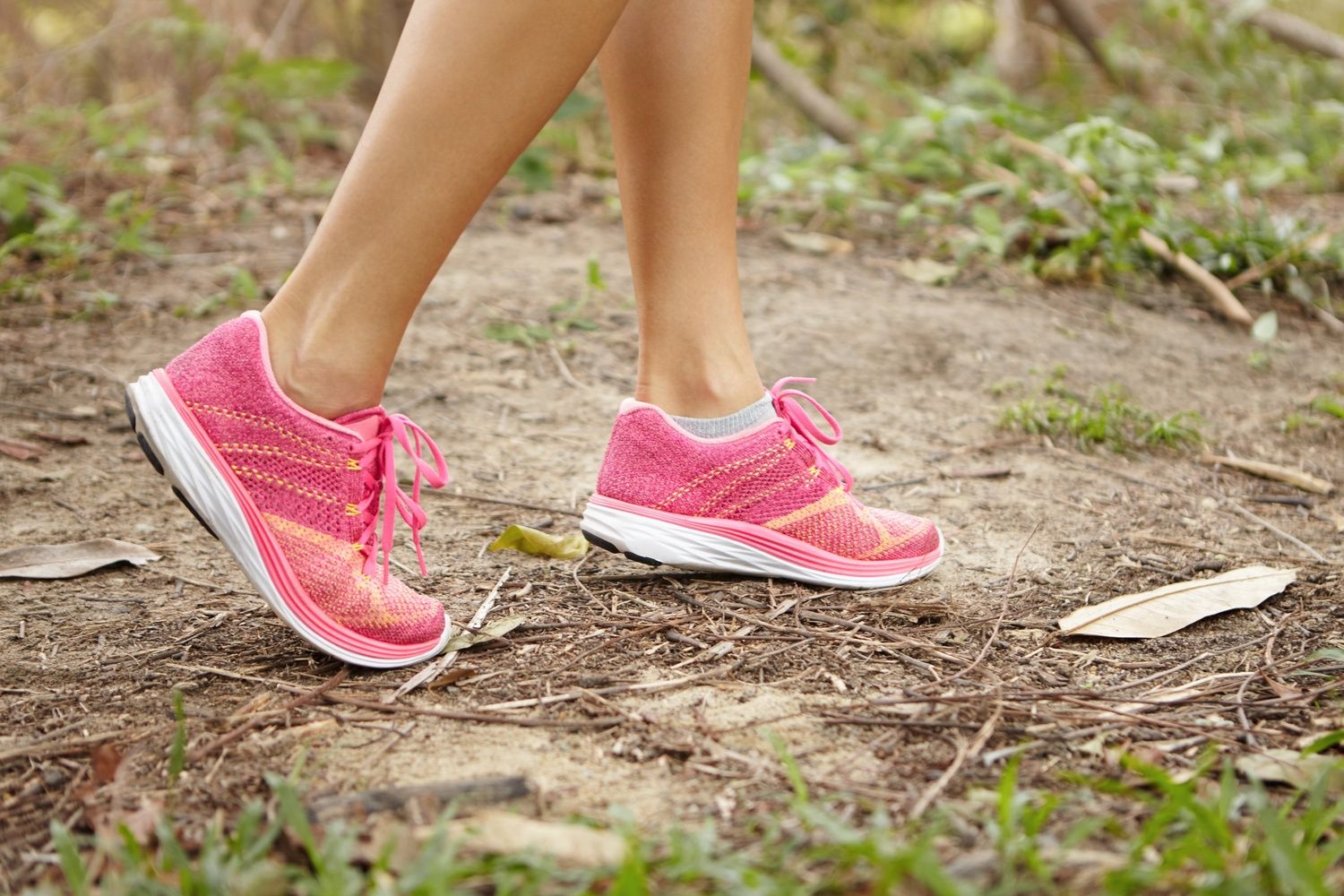
Key Features to Look for in Women’s Walking Shoes
Choosing the right pair of walking shoes can feel overwhelming with so many options available. Understanding the key features can help narrow down the best choice.
1. Cushioning and Shock Absorption
Good cushioning is essential for reducing impact, especially when walking on hard surfaces like pavement or concrete. Look for shoes with cushioned midsoles made from materials such as EVA foam or gel inserts. These materials help soften each step while maintaining responsiveness.
2. Arch Support
Proper arch support helps distribute pressure evenly across the foot and prevents issues like plantar fasciitis. Women with flat feet may need firmer support, while those with high arches may benefit from more flexible cushioning. Some walking shoes also allow room for custom orthotics.
3. Fit and Width Options
A walking shoe should feel snug but not tight. There should be enough room in the toe box for natural toe movement without slipping at the heel. Many brands offer wide or narrow sizes, which is especially helpful for women who struggle to find a comfortable fit in standard shoes.
4. Breathability
Breathable materials such as mesh uppers keep feet cool and dry, especially during long walks or warm weather. Proper airflow reduces moisture buildup and helps prevent blisters and odor.
5. Flexibility and Stability
Walking shoes should be flexible at the forefoot to allow smooth movement, while still offering enough stability to keep the foot aligned. A slightly rounded sole can also help promote a natural rolling motion from heel to toe.
6. Lightweight Design
Heavy shoes can cause fatigue over time. Lightweight walking shoes make it easier to maintain a steady pace and enjoy longer walks without discomfort.
Types of Walking Shoes for Women
Walking shoes come in several styles, each designed for different needs and environments.
Athletic Walking Shoes
These are ideal for fitness walking and daily exercise. They typically feature advanced cushioning, breathable uppers, and durable outsoles for consistent performance.
Casual Walking Shoes
Designed for everyday wear, casual walking shoes blend comfort with style. They are perfect for errands, workdays that involve standing or walking, and travel.
Walking Sandals
For warmer climates, walking sandals offer a breathable alternative while still providing arch support and cushioning. Adjustable straps help ensure a secure fit.
Trail Walking Shoes
If walking includes uneven terrain, trail walking shoes provide extra grip, reinforced soles, and added stability for outdoor paths and light hiking.
Benefits of Wearing Proper Walking Shoes
Wearing the right walking shoes offers benefits beyond comfort.
Reduced Risk of Injury: Proper support helps prevent common foot problems such as blisters, bunions, and heel pain.
Improved Posture: Well-constructed shoes encourage better alignment, reducing strain on the back and joints.
Enhanced Endurance: Comfortable shoes make it easier to walk longer distances without fatigue.
Everyday Versatility: Many modern walking shoes combine performance with style, making them suitable for both exercise and casual wear.
How to Choose the Best Walking Shoes
When shopping for walking shoes, it’s best to try them on later in the day when feet are slightly swollen, as this mimics how they’ll feel after extended walking. Wear the socks you plan to walk in and test the shoes by walking around the store. Pay attention to any pressure points or slipping.
It’s also important to replace walking shoes regularly. Most walking shoes last between 300 and 500 miles, depending on usage and walking style. Worn-out soles and flattened cushioning can reduce support and increase the risk of discomfort.
Style Meets Function
Today’s walking shoes for women no longer sacrifice style for comfort. Many brands offer sleek designs, modern colors, and versatile silhouettes that pair well with activewear, jeans, or casual dresses. This makes it easier than ever to stay comfortable without compromising personal style.
Conclusion
Walking shoes for women are more than just footwear—they are an essential tool for maintaining an active, healthy lifestyle. With the right combination of cushioning, support, fit, and style, a good pair of walking shoes can transform daily walks into a comfortable and enjoyable experience. Whether you’re walking for fitness, leisure, or everyday activities, investing in quality walking shoes ensures that every step supports your body and your goals.